Description
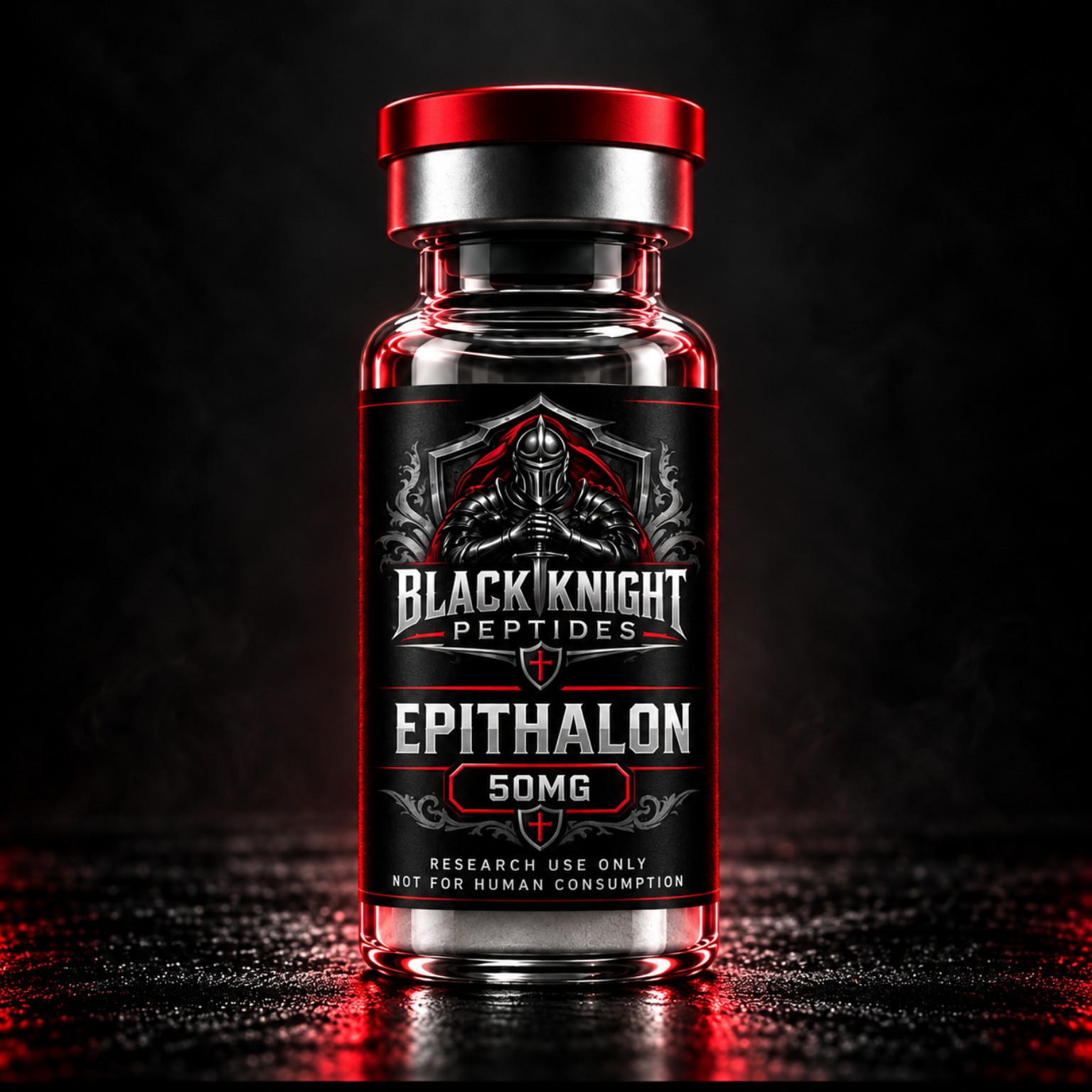
Epitalon (also known as Epithalon) is a synthetic tetrapeptide made from four amino acids: alanine, glutamic acid, aspartic acid and glycine (AEDG). It was developed from research into peptide compounds associated with the pineal gland and has attracted interest particularly within ageing and neuroendocrine research.
Laboratory research has explored Epitalon in relation to melatonin production, circadian signalling, antioxidant activity, cellular ageing and the regulation of genes and enzymes involved in cell function. One of the best-known areas of research concerns telomerase and telomeres — structures involved in the ageing and replication of cells. Studies in cultured human cells have reported increased telomerase activity and changes in telomere length following exposure to Epitalon.
In plain English: researchers are interested in Epitalon mainly because of its possible effects on the biological processes associated with ageing. Research has looked at whether it may influence the body’s internal sleep-wake clock, melatonin production and the way cells protect and maintain themselves as they age. The telomere research is particularly interesting because telomeres naturally shorten as cells divide, although changing telomeres in a laboratory does not mean that Epitalon has been proven to extend a person’s lifespan.
Research has also investigated possible neuroprotective, antioxidant and gene-regulating effects. However, much of the evidence comes from laboratory and animal research, and the available human evidence is limited. Epitalon has not been established as a proven anti-ageing or longevity treatment, and its long-term safety and effectiveness in humans have not been adequately determined.
Supplied by Black Knight Peptides for laboratory and research purposes only.
Not for human consumption.